
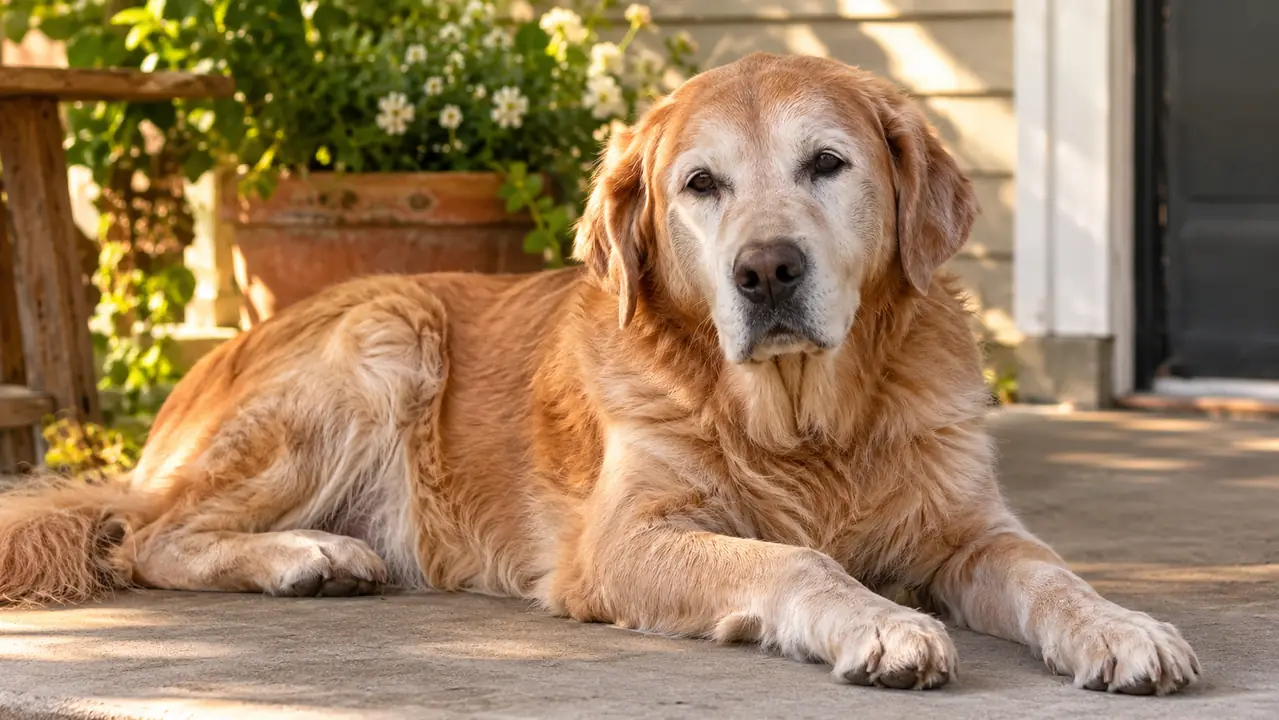
When Rudy's back hips started getting stiff around age eight, our vet walked me through the usual options. Joint chews came first, and he still gets one every morning. Then, about a year ago, she suggested adding an omega-3 oil to his dinner for his joints and his dry coat. That's when I hit the fork in the road: salmon oil or a fish body oil like Nordic Naturals Omega-3 Pet. I stood in the supplement aisle reading labels until a store clerk probably wanted to ask me to leave.
I didn't want to guess. Omega-3s are one of the few supplements where I could see a real difference in Rudy, but only when the dose was right and the bottle was something he'd actually eat. So I did what I always do: I asked the vet, I read labels, I kept a notebook, and I tried one thing at a time. This is what I learned comparing Nordic Naturals Omega-3 Pet to the salmon oil I almost bought instead.
The Short Answer
Both are real sources of omega-3 fatty acids, and both can help an older dog's joints and coat. The difference is in the details. Nordic Naturals Omega-3 Pet is an unflavored liquid fish oil that lists 294 mg of omega-3s with EPA and DHA per serving, in the triglyceride form the body uses easily. Salmon oil is also a natural oil, but most bottles are lighter in EPA and DHA per serving, and the fishier smell and taste are a tradeoff. For Rudy, a 78-pound Lab who is picky about smells, the Nordic Naturals won. For a dog who turns up his nose at everything, salmon oil might be the better first try. Neither one is a cure. Both are supports. The right one is the one your dog will take, at a dose your vet approves, from a label you can read. Your vet is the one who should help you decide.
| Nordic Naturals Omega-3 Pet | Salmon Oil | |
|---|---|---|
| EPA and DHA per serving | 294 mg of omega-3s with EPA and DHA, in triglyceride form | Varies by brand; salmon oil is generally lighter in EPA and DHA per serving |
| Smell | Unflavored and low odor, easy to mix into dinner | Fishier; some owners find the bottle hard to take |
| Taste for picky dogs | Unflavored, so it hides well in food | Many dogs take it readily because they like the taste |
| Extras | Non-GMO, gluten- and dairy-free, no artificial colors, flavors, or preservatives | Naturally contains astaxanthin, an antioxidant |
| Bottle size for a big dog | Two ounces; you reorder often for a large dog | Often sold in larger pump bottles sized for big dogs |
| Best for | Owners who want a dependable omega-3 dose without fishy smell | Picky eaters and owners who want a single-ingredient oil |
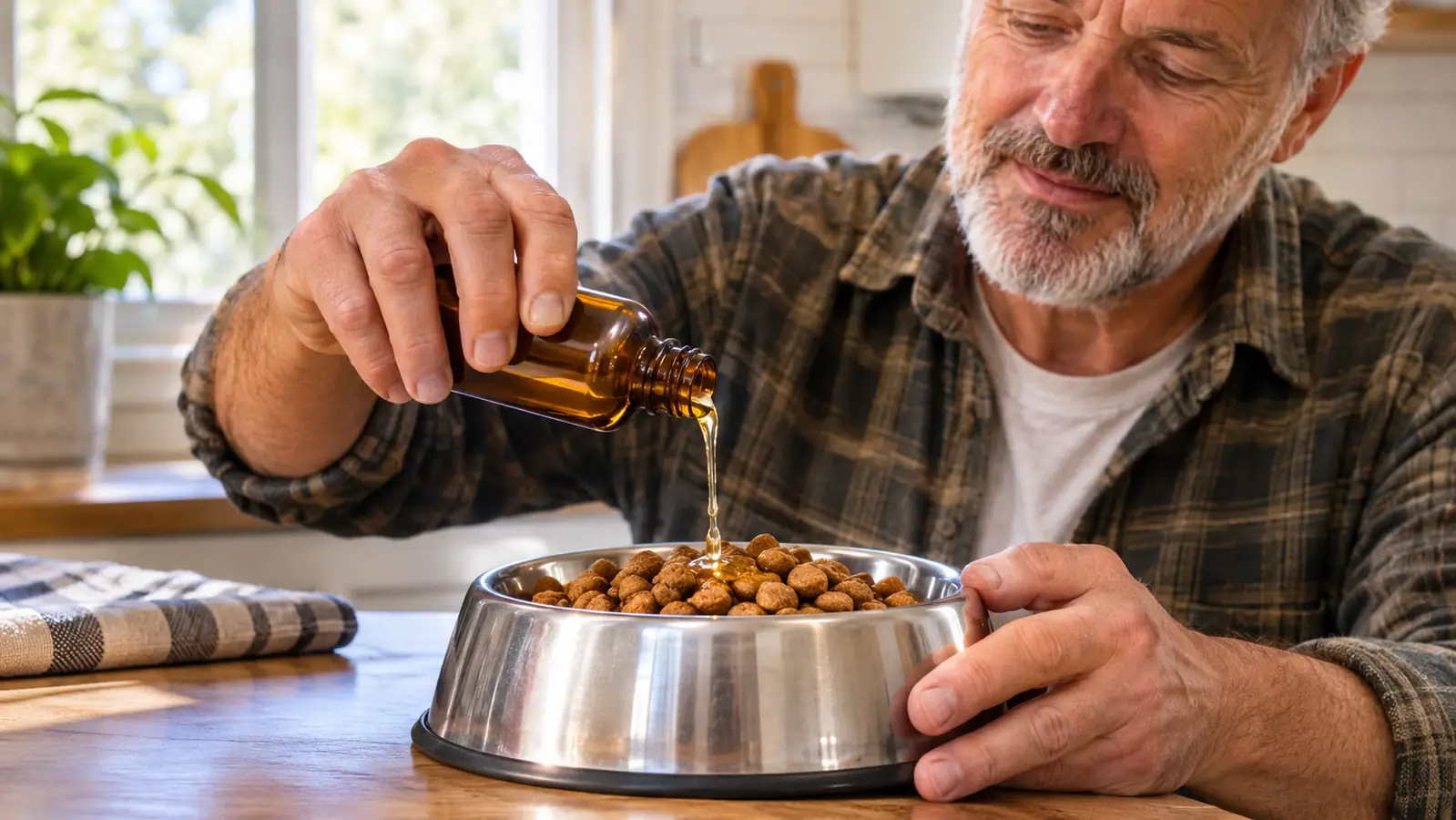
How I Compared Them
I'm not a scientist, and I don't play one in my kitchen. I'm a retired dental office manager who keeps a spiral notebook on the counter. For this comparison, I did three things. First, I read the labels on both kinds of oil, the way our vet told me to: looking for EPA and DHA, not just the word omega-3. Second, I asked our vet which one she'd start with for a dog Rudy's age, and why. Third, I watched Rudy on the Nordic Naturals for about a year, noting his coat, his get-ups, and whether he actually ate his dinner with the oil on it. The salmon oil never went in his bowl, because the label reading and the vet's answer settled it before I opened a bottle.
I tracked three things in that notebook: how Rudy ate his dinner with the oil on it, how he got up from his bed in the morning, and how he handled the three back-porch steps. I also wrote down anything our vet said, because she knows more about his hips than any label ever will. That's the whole method. It's not a lab study, but it's honest, and it's more than most of us do before we buy a bottle.
What Changed for Rudy
Rudy started the Nordic Naturals about a year ago. I didn't see anything change overnight, and I didn't expect to. Our vet had told me to give it four to six weeks before I judged it. Somewhere in that window, I noticed two things. His coat, which had been dry and a little flaky in the winter, felt softer when I ran my hand along his back. And his get-ups after a nap seemed easier, less of a rock-and-roll effort. Neither change was dramatic. He still has stiff days, especially in damp weather, and he still uses the lift harness for the porch steps on bad mornings. But the day-to-day got a little smoother, and that's what I was after. I wrote both observations in the notebook with the date, so I couldn't convince myself it happened faster than it did.
Where Nordic Naturals Wins
The first thing I noticed was the smell, or rather the lack of it. The Nordic Naturals Omega-3 Pet is unflavored, and the liquid is easy to pump over Rudy's dinner without the whole kitchen smelling like a fish market. That matters in a single-story house with tile floors, where smells travel. I've opened salmon oil bottles at friends' houses, and the fishier scent is real. If you have a sensitive nose, or a dog who walks away from food that smells different, the low odor of this one is a genuine advantage.
The second thing is the dose. The label lists 294 mg of omega-3s with EPA and DHA per serving, in the triglyceride form, which is the form naturally found in fish. That specificity is why our vet pointed me to a fish body oil in the first place. With salmon oil, the EPA and DHA numbers vary a lot from brand to brand, and some bottles are heavier on the oil and lighter on the omega-3s. When I'm paying attention to a 10-year-old dog's hips, I want to know exactly what he's getting. The Nordic Naturals label gives me that.
Where Salmon Oil Wins
I'll be honest: salmon oil has two things going for it that made me stop in the aisle. The first is taste. A lot of dogs love the flavor of salmon oil and will lick the bowl clean. Rudy is picky, and the unflavored Nordic Naturals hides so well in his food that he never notices it, but I know plenty of dogs who refuse food with anything new on it. For those dogs, salmon oil is often the one they'll actually eat. A supplement only works if the dog swallows it.
The second is the extras and the bottle size. Salmon oil naturally contains astaxanthin, an antioxidant you don't get from a plain fish body oil, and it's often sold in larger pump bottles that make sense for a big dog. The Nordic Naturals bottle is two ounces, which is a sensible size for a small dog or a cat, but for a 78-pound Lab, I reorder it more often than I'd like. If you have a large breed and you'd rather buy one bigger bottle that lasts, salmon oil is the practical pick. That's a fair point, and I won't argue with it. And when you're the one reordering every few weeks, the bigger bottle matters more than you'd think.
For a picky dog, the oil they'll actually eat beats the oil with the better label.
Want the omega-3 dose our vet picked for Rudy?
Nordic Naturals Omega-3 Pet is the unflavored liquid fish oil we've used for about a year. It's non-GMO, gluten- and dairy-free, with no artificial colors, flavors, or preservatives. Check today's price on Amazon, and ask your vet if it's right for your dog.
Amazon Check Today's Price on Amazon →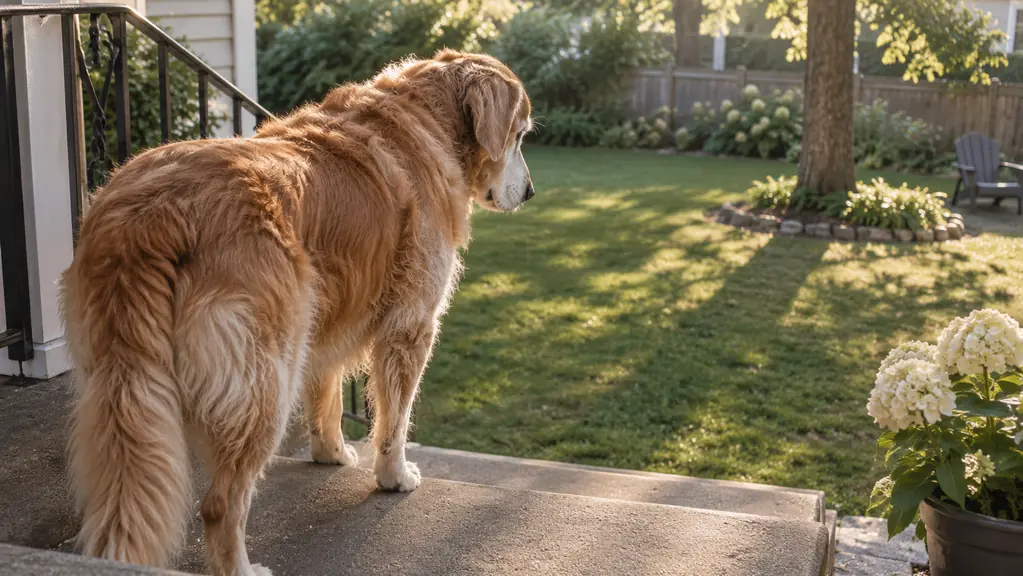
Who Should Buy Which
Buy the Nordic Naturals Omega-3 Pet if you want a dependable EPA and DHA dose in a low-odor liquid that hides well in food, and if your dog is small or medium, or you don't mind reordering a two-ounce bottle for a big dog. It's also the choice if you want a short, clean ingredient list: omega-3 fish oil, nothing artificial. Rudy has been on it for about a year, and I noticed his coat felt softer and his get-ups were easier after roughly four to six weeks. I'm not going to tell you it fixed his hips, because nothing has, and our vet never promised that. It just made the day-to-day a little easier. For a small dog, a two-ounce bottle lasts a good while, and the listing sizes it for small breeds.
Buy salmon oil instead if your dog is a picky eater who refuses food with anything new on it, or if you want a bigger bottle that lasts longer for a large breed. And buy salmon oil if the astaxanthin angle appeals to you. Either way, talk to your vet first, especially if your dog has a fish allergy or takes other medication. Omega-3s are a supplement, not a treat, and the right dose depends on your dog's weight and health.
And if your vet has ever flagged a fish allergy for your dog, skip both and ask about plant-based omega-3 options. The same goes for a dog who is already getting omega-3s in a complete senior diet. More is not always better, and our vet was clear about that. When in doubt, the cheapest option is a five-minute phone call to your vet's office.
What to Ask Your Vet
Before you add any oil to your dog's bowl, ask your vet three things. First, is an omega-3 supplement a good idea for this dog, at this age, with these health issues? Second, what dose should you start with? The bottle lists 294 mg per serving, but your vet may want a different amount based on your dog's weight. Third, are there any reasons to avoid fish oil, like a fish allergy or a condition that affects blood clotting? I asked all three before Rudy started, and I'm glad I did. It took five minutes and saved me from guessing.
How to Read a Fish Oil Label
The trick our vet taught me is simple: look for EPA and DHA, not just the words omega-3. A bottle can say omega-3 on the front and still be light on the two fatty acids that matter most for joints. On the Nordic Naturals label, the EPA and DHA are right there in the serving size, 294 mg per serving, and the form is listed as triglyceride, which is the form naturally found in fish. On a salmon oil bottle, you'll often see a smaller EPA and DHA number, or no number at all. That's not a reason to panic. It's a reason to read the back of the bottle before you buy, and to ask your vet what dose your dog actually needs. One more thing: our vet said to keep fish oil away from heat and light, and to give the bottle a sniff as it gets older. Fresh oil smells mild. Rancid oil smells like trouble.
The Bottom Line
Here's where I land after a year with the Nordic Naturals Omega-3 Pet and a lot of label reading on salmon oil. Both are honest sources of omega-3s, and both can help an older dog's coat and comfort. The Nordic Naturals wins on a dependable EPA and DHA dose, low smell, and a clean ingredient list. Salmon oil wins on taste, astaxanthin, and bigger bottles for big dogs. For Rudy, the Nordic Naturals was the right call, and I'd buy it again. But the right call for your dog starts with a conversation with your vet, not with me or with an Amazon listing.
Ask your vet, then see today's price
If your vet gives the go-ahead, Nordic Naturals Omega-3 Pet is the liquid fish oil we've used for about a year. See the current price on Amazon, and start with the dose your vet recommends.
Amazon See Today's Price on Amazon →